


Trusted teacher
This teacher has a fast response time and rate, demonstrating a high quality of service to their students.

Since April 2025
Instructor since April 2025
Oud instrument,

From 50.71 Fr /h

* Introduction to the Oud Instrument:
* History of the Oud and its significance in Arabic music.
* Different parts of the Oud (soundbox, face, neck, pegs, strings).
* Different types of Oud (Arabic, Turkish, Persian).
* How to hold the Oud and sit correctly.
* How to use the plectrum (risha/zend).
* Basics of Playing:
* Learning how to produce clear sounds from the strings.
* Exercises to strengthen fingers and improve hand coordination.
* Learning the names of the strings and how to tune them (Dozan).
* Introduction to basic musical modes (maqamat) in Arabic music (such as Maqam Rast, Nahawand, Hijaz).
* Learning basic musical notation and how to read it (if necessary).
* Simple Melodies and Exercises:
* Learning to play simple and well-known melodies.
* Exercises to develop a sense of rhythm.
For Advanced Levels:
* Deepening Knowledge of Maqamat:
* In-depth study of various Arabic maqamat and their branches.
* Learning how to modulate between maqamat.
* Analyzing melodies and musical pieces from the perspective of maqamat.
* Developing Playing Techniques:
* Learning advanced playing techniques such as trills, tremolos, and slides.
* Improving playing speed and accuracy.
* Developing the ability for musical expression.
* Improvisation and Taqasim:
* Introduction to the art of improvisation (taqasim) in Arabic music.
* Learning how to build improvisational taqasim based on maqamat.
* Developing the ability to listen and interact musically.
* Arabic Music Theory:
* In-depth study of Arabic music theory, including intervals, rhythms, and musical forms.
* Playing Advanced Musical Pieces:
* Learning to play classical and contemporary Arabic musical pieces.
* Analyzing and interpreting musical works.
Lessons may also include:
* Listening and Analysis: Listening to Oud music recordings and analyzing them.
* History and Culture: Exploring the history and culture of the Oud instrument in the Arab world.
* Basic Oud Maintenance: Learning how to care for and maintain the Oud.
Overall, the Oud lessons aim to provide students with the necessary skills and knowledge to understand and play Arabic music on this beautiful instrument.
* History of the Oud and its significance in Arabic music.
* Different parts of the Oud (soundbox, face, neck, pegs, strings).
* Different types of Oud (Arabic, Turkish, Persian).
* How to hold the Oud and sit correctly.
* How to use the plectrum (risha/zend).
* Basics of Playing:
* Learning how to produce clear sounds from the strings.
* Exercises to strengthen fingers and improve hand coordination.
* Learning the names of the strings and how to tune them (Dozan).
* Introduction to basic musical modes (maqamat) in Arabic music (such as Maqam Rast, Nahawand, Hijaz).
* Learning basic musical notation and how to read it (if necessary).
* Simple Melodies and Exercises:
* Learning to play simple and well-known melodies.
* Exercises to develop a sense of rhythm.
For Advanced Levels:
* Deepening Knowledge of Maqamat:
* In-depth study of various Arabic maqamat and their branches.
* Learning how to modulate between maqamat.
* Analyzing melodies and musical pieces from the perspective of maqamat.
* Developing Playing Techniques:
* Learning advanced playing techniques such as trills, tremolos, and slides.
* Improving playing speed and accuracy.
* Developing the ability for musical expression.
* Improvisation and Taqasim:
* Introduction to the art of improvisation (taqasim) in Arabic music.
* Learning how to build improvisational taqasim based on maqamat.
* Developing the ability to listen and interact musically.
* Arabic Music Theory:
* In-depth study of Arabic music theory, including intervals, rhythms, and musical forms.
* Playing Advanced Musical Pieces:
* Learning to play classical and contemporary Arabic musical pieces.
* Analyzing and interpreting musical works.
Lessons may also include:
* Listening and Analysis: Listening to Oud music recordings and analyzing them.
* History and Culture: Exploring the history and culture of the Oud instrument in the Arab world.
* Basic Oud Maintenance: Learning how to care for and maintain the Oud.
Overall, the Oud lessons aim to provide students with the necessary skills and knowledge to understand and play Arabic music on this beautiful instrument.
Location


At student's location :
- Around Riyadh, Saudi Arabia

Online from Saudi Arabia
About Me
Egyptian musician,
I hold a Bachelor's degree from the Academy of Arts - Higher Institute of Arabic Music, specializing in Arabic Music and Singing.
I have extensive experience in professionally teaching the Oud instrument, singing, and music theory in Egypt and the Kingdom of Saudi Arabia.
I have also participated in many significant concerts as a member of the Philharmonic Union Orchestra and Choir,
such as the Royal Mummies Parade, the opening of the Avenue of Sphinxes, and concerts by the artists Majida El Roumi and Ali El Haggar.
Currently, I work in Riyadh as a professional music teacher and performer.
I hold a Bachelor's degree from the Academy of Arts - Higher Institute of Arabic Music, specializing in Arabic Music and Singing.
I have extensive experience in professionally teaching the Oud instrument, singing, and music theory in Egypt and the Kingdom of Saudi Arabia.
I have also participated in many significant concerts as a member of the Philharmonic Union Orchestra and Choir,
such as the Royal Mummies Parade, the opening of the Avenue of Sphinxes, and concerts by the artists Majida El Roumi and Ali El Haggar.
Currently, I work in Riyadh as a professional music teacher and performer.
Education
I hold a Bachelor's degree in Music and Singing from the Academy of Arts - Higher Institute of Arabic Music in the Arab Republic of Egypt.
Experience / Qualifications
More than 8 years of experience in the music field.
Age
Children (7-12 years old)
Teenagers (13-17 years old)
Adults (18-64 years old)
Seniors (65+ years old)
Student level
Beginner
Intermediate
Advanced
Duration
60 minutes
The class is taught in
Arabic
English

Availability of a typical week
(GMT -05:00)
New York

Online via webcam

At student's home
Mon
Tue
Wed
Thu
Fri
Sat
Sun
00-04
04-08
08-12
12-16
16-20
20-24
The main objectives of the course include:
* Understanding the basics of music theory:
* Learn the names of the keys on the keyboard.
* Understanding the concept of the musical scale and its types (such as major and minor scales).
* Recognize basic rhythms and note values (note range).
* Read and write basic musical notes on the musical staff.
* Developing basic playing techniques:
* Correct hand and finger position on the keyboard.
* Developing finger independence and coordination.
* Learn how to play the piano with both hands.
* Control the force of pressing the keys to produce different sounds (dynamics).
* Playing simple pieces:
* Apply what has been learned from music theory and techniques to simple piano pieces.
* Build self-confidence through the ability to play well-known melodies.
* Developing the musical ear and the ability to distinguish tones.
* Understanding the basics of music theory:
* Learn the names of the keys on the keyboard.
* Understanding the concept of the musical scale and its types (such as major and minor scales).
* Recognize basic rhythms and note values (note range).
* Read and write basic musical notes on the musical staff.
* Developing basic playing techniques:
* Correct hand and finger position on the keyboard.
* Developing finger independence and coordination.
* Learn how to play the piano with both hands.
* Control the force of pressing the keys to produce different sounds (dynamics).
* Playing simple pieces:
* Apply what has been learned from music theory and techniques to simple piano pieces.
* Build self-confidence through the ability to play well-known melodies.
* Developing the musical ear and the ability to distinguish tones.
Teaching singing, maqamat, and improving vocal performance.
The main objectives of the course include:
* Exercises to regulate and improve breathing.
* Warm-up exercises (vocalization) to strengthen the voice and prepare it before vocal performance.
* Identify the sound space and classify the sound material.
* Exercises to strengthen the diaphragm muscle and how to use it to improve vocal performance.
* Explaining musical scales, how to perform them, their benefits, and their relationship to singing.
* The application includes performing songs from the Arab heritage and contemporary songs.
The main objectives of the course include:
* Exercises to regulate and improve breathing.
* Warm-up exercises (vocalization) to strengthen the voice and prepare it before vocal performance.
* Identify the sound space and classify the sound material.
* Exercises to strengthen the diaphragm muscle and how to use it to improve vocal performance.
* Explaining musical scales, how to perform them, their benefits, and their relationship to singing.
* The application includes performing songs from the Arab heritage and contemporary songs.
Similar classes


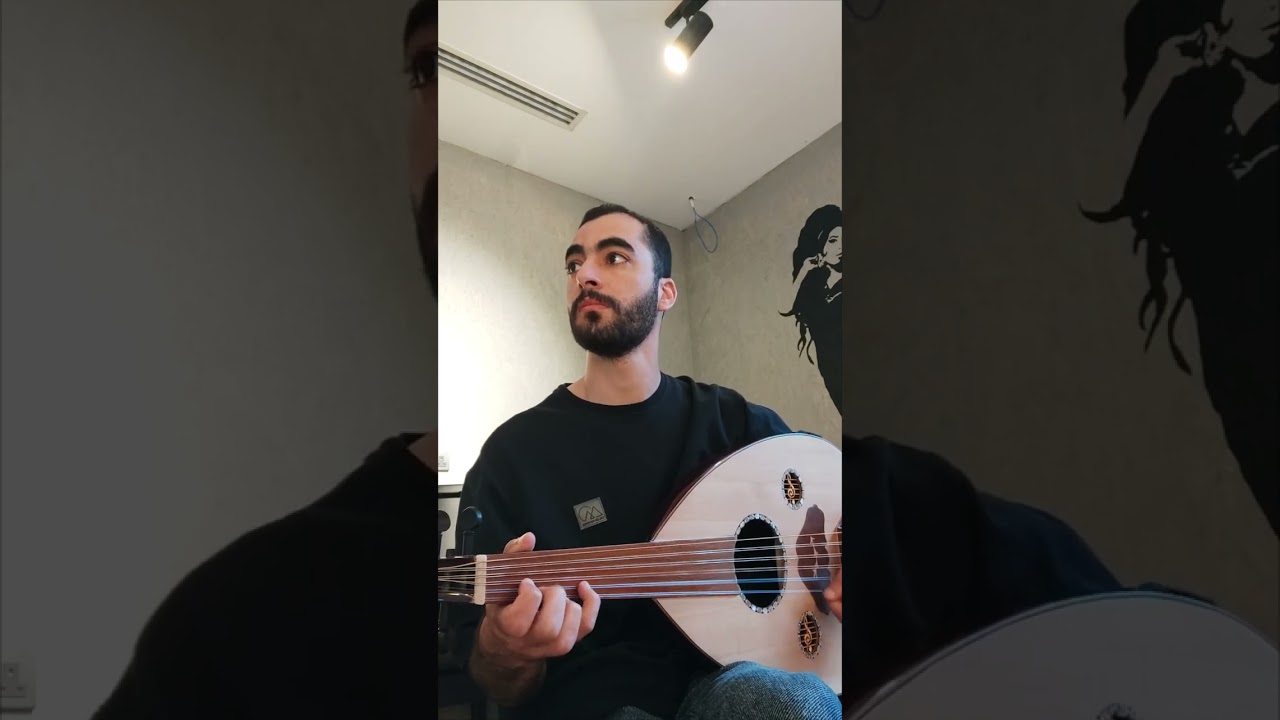

Mohamed's video

Contact Mohamed

1st lesson is backed
by our Good-fit Instructor Guarantee
by our Good-fit Instructor Guarantee
Similar classes
Good-fit Instructor Guarantee
Contact Mohamed