


Harmonie et écriture classique/

Àpd 42 $ /h

Ce cours de théorie appliquée de la musique s'adresse à tout musicien passionné, peu importe son niveau.
Il vise à élargir ses connaissances et capacités musicales par la compréhension de la musique dans sa globalité. Le but est de pouvoir décoder et comprendre comment une musique (non seulement de style classique, mais aussi pop, jazz, rock, électro, ...) a été composée, et d'être capable soi-même d'utiliser des harmonies intéressantes et solides dans une composition/ production personnelle.
Il est constitué de deux sujets principaux :
* L'harmonie (construire des accords, comprendre des schémas d'accords, apprendre à Harmoniser une mélodie donnée, de la possibilité ou non d'utiliser ces Harmonies dans un style donné, etc.. ).
Mais aussi comprendre la tonalité, comment on construit une gamme, comment naviguer entre différentes tonalité, comment transformer une suite d'accord classique dans un autre style ?
L'harmonie est un cours ouvert à tous et tout niveaux, pas de prérequis à avoir. Tout musicien passionné y trouvera de l'intérêt, c'est garanti.
* L'écriture est un cours bien plus ciblé, qui est déjà une introduction à la composition classique. Dans cette branche, nous développerons les règles d'écriture classique (quintes et octaves parallèles, fausses relations etc,...) dans le cadre d'exercice a base de mélodie ou basse donnée (dans le premier cas il faudra inventer l'harmonisation et composer une basse, dans le second, il faudra inventer l'harmonisation et la mélodie).
Ce cours peut aussi servir aux étudiants en académie ou conservatoire qui souhaitent se préparer à l'examen d'écriture, ou simplement approfondir leurs connaissances.
Il vise à élargir ses connaissances et capacités musicales par la compréhension de la musique dans sa globalité. Le but est de pouvoir décoder et comprendre comment une musique (non seulement de style classique, mais aussi pop, jazz, rock, électro, ...) a été composée, et d'être capable soi-même d'utiliser des harmonies intéressantes et solides dans une composition/ production personnelle.
Il est constitué de deux sujets principaux :
* L'harmonie (construire des accords, comprendre des schémas d'accords, apprendre à Harmoniser une mélodie donnée, de la possibilité ou non d'utiliser ces Harmonies dans un style donné, etc.. ).
Mais aussi comprendre la tonalité, comment on construit une gamme, comment naviguer entre différentes tonalité, comment transformer une suite d'accord classique dans un autre style ?
L'harmonie est un cours ouvert à tous et tout niveaux, pas de prérequis à avoir. Tout musicien passionné y trouvera de l'intérêt, c'est garanti.
* L'écriture est un cours bien plus ciblé, qui est déjà une introduction à la composition classique. Dans cette branche, nous développerons les règles d'écriture classique (quintes et octaves parallèles, fausses relations etc,...) dans le cadre d'exercice a base de mélodie ou basse donnée (dans le premier cas il faudra inventer l'harmonisation et composer une basse, dans le second, il faudra inventer l'harmonisation et la mélodie).
Ce cours peut aussi servir aux étudiants en académie ou conservatoire qui souhaitent se préparer à l'examen d'écriture, ou simplement approfondir leurs connaissances.
Informations supplémentaires
Feuilles à portées musicales requises.
Lieu


Cours au domicile de l'élève :
- Autour de Bruxelles, Belgique

En ligne depuis la Belgique
Présentation
Je suis passionné de saxophones depuis que j'ai vu et entendu Lisa Simpson jouer à la télévision.
J'ai donc commencé à apprendre l'instrument avant que mes mains soient assez grandes pour pouvoir le tenir intégralement.
Depuis, j'explore beaucoup d'univers musicaux, ayant une culture principalement orientée sur la musique Jazz et bien sûr la musique classique, que j'étudie actuellement au conservatoire de Bruxelles de manière professionnelle. Je m'intéresse à tous les styles musicaux sans distinction, dans le but de prendre le meilleur de chaque univers pour le transposer dans une musique que je souhaite la plus sincère et riche... Je travaille par exemple beaucoup sur la musique électronique couplée à des sons acoustiques, ou des projets de musique française avec textes, en passant par du jazz fusion entre deux sessions de musique contemporaine. Je cherche à mêler mes connaissances diverses pour chercher des choses nouvelles.
Enfin, j'adore rencontrer des musiciens, quelque soit leur âge, leurs intentions par la musique ou leur niveau; j'adore donner cours simplement, car je donner cours c'est partager des connaissances, et le partage, c'est l'essence même de la musique !
Mon cours ne nécessite pas de notion de solfège, car il se base sur l'écoute et la pratique.
Cependant, si l'élève souhaite approfondir la théorie, c'est également largement possible.
J'ai donc commencé à apprendre l'instrument avant que mes mains soient assez grandes pour pouvoir le tenir intégralement.
Depuis, j'explore beaucoup d'univers musicaux, ayant une culture principalement orientée sur la musique Jazz et bien sûr la musique classique, que j'étudie actuellement au conservatoire de Bruxelles de manière professionnelle. Je m'intéresse à tous les styles musicaux sans distinction, dans le but de prendre le meilleur de chaque univers pour le transposer dans une musique que je souhaite la plus sincère et riche... Je travaille par exemple beaucoup sur la musique électronique couplée à des sons acoustiques, ou des projets de musique française avec textes, en passant par du jazz fusion entre deux sessions de musique contemporaine. Je cherche à mêler mes connaissances diverses pour chercher des choses nouvelles.
Enfin, j'adore rencontrer des musiciens, quelque soit leur âge, leurs intentions par la musique ou leur niveau; j'adore donner cours simplement, car je donner cours c'est partager des connaissances, et le partage, c'est l'essence même de la musique !
Mon cours ne nécessite pas de notion de solfège, car il se base sur l'écoute et la pratique.
Cependant, si l'élève souhaite approfondir la théorie, c'est également largement possible.
Education
Je suis diplômé:
🎷 D'un master en saxophone classique du Koninglijk conservatorium van Brussel
✍️ D'un Bachelor en harmonie et écriture classique, obtenu dans le même établissement.
🎷 D'un master en saxophone classique du Koninglijk conservatorium van Brussel
✍️ D'un Bachelor en harmonie et écriture classique, obtenu dans le même établissement.
Expérience / Qualifications
J'ai beaucoup de vécu dans des formations très diverses, allant de groupes de rues tels que des Brass bands ou autres fanfares des Balkans, en passant par des trios intimistes de jazz expérimental, mais aussi par de plus larges formations orchestrales, d'instruments à vents classiques, des Big bands, des groupes de cover et même de nombreux quatuors contemporains ou de la musique pour enfants ! ...
Bref, j'aime la diversité et je suis convaincu qu'il y a moyen d'aborder la musique de manière absolue, de pouvoir coller à tous les styles de musique possibles si l'on en cerne bien les particularités et l'esprit.
C'est cette clé de compréhension universelle de la musique que j'essaie de transmettre via mes cours qui, au choix de l'élève bien sûr, peuvent passer d'un style a un autre, de la pop au classique, du rock au jazz, du rap a l'électro,...
Bref, j'aime la diversité et je suis convaincu qu'il y a moyen d'aborder la musique de manière absolue, de pouvoir coller à tous les styles de musique possibles si l'on en cerne bien les particularités et l'esprit.
C'est cette clé de compréhension universelle de la musique que j'essaie de transmettre via mes cours qui, au choix de l'élève bien sûr, peuvent passer d'un style a un autre, de la pop au classique, du rock au jazz, du rap a l'électro,...
Age
Enfants (7-12 ans)
Adolescents (13-17 ans)
Adultes (18-64 ans)
Seniors (65+ ans)
Niveau du Cours
Débutant
Intermédiaire
Avancé
Durée
30 minutes
45 minutes
60 minutes
90 minutes
120 minutes
Enseigné en
français
anglais
néerlandais
Compétences

Commentaires
Disponibilité semaine type
(GMT -04:00)
New York

Cours par webcam

Cours à domicile
Mon
Tue
Wed
Thu
Fri
Sat
Sun
00-04
04-08
08-12
12-16
16-20
20-24
[ENGLISH, SEE BELOW]
Un cours de théorie de la musique qui s'adresse à quiconque souhaite débuter avec des bases solides la musique, ou à un musicien déjà avancé qui souhaite aller plus loin. Ce cours est également parfait pour un élève d'académie ou de conservatoire qui souhaite se préparer pour l'examen de solfège.
Malgré le fait que ce soit un cours dit théorique, tout ce qui est vu sera d'abord travaillé en contexte musical et expérimenté par l'élève afin d'être assimilé. Les explications théoriques en découleront d'elle-même.
Au programme (au choix de l'élève)
- Entraînement de l'oreille (savoir réécrire d'oreille des mélodies à une ou plusieurs voix, des accords, etc..)
- Lectures de notes dans une ou plusieurs clés
- Lectures de rythme, travail des polyrythmies
- Chiffrage et reconnaissance d'accords,
- Transposition.
This musical theory lesson suits to every level, from the one who wants to learn how to read music to the one who wants to know more about chords, transposition or polyrythms. This lesson is also perfect for a student who wants to prepare an examination.
In despite the fact I called these lesson "Musical theory", it is firstly about understanding the music. And that can only be possible by...doing music. So be aware that we will be singing, playing chords, clapping rythmes,... My purpose is that the student understand by himself first, then the theory will come naturally.
What we can do during a lesson (student can choose):
- Ear training (Learn to catch a melody of one or several voices and write it down by ear, chords recognizing, rythmes recognizing,...)
- Rythmical work: learn to clap different rythmes in different time signatures. Also included polyrythms.
- Key reading, in one or several keys.
- Transposition (learn how to read a flute sheet while you're playing trumpet,..)
Un cours de théorie de la musique qui s'adresse à quiconque souhaite débuter avec des bases solides la musique, ou à un musicien déjà avancé qui souhaite aller plus loin. Ce cours est également parfait pour un élève d'académie ou de conservatoire qui souhaite se préparer pour l'examen de solfège.
Malgré le fait que ce soit un cours dit théorique, tout ce qui est vu sera d'abord travaillé en contexte musical et expérimenté par l'élève afin d'être assimilé. Les explications théoriques en découleront d'elle-même.
Au programme (au choix de l'élève)
- Entraînement de l'oreille (savoir réécrire d'oreille des mélodies à une ou plusieurs voix, des accords, etc..)
- Lectures de notes dans une ou plusieurs clés
- Lectures de rythme, travail des polyrythmies
- Chiffrage et reconnaissance d'accords,
- Transposition.
This musical theory lesson suits to every level, from the one who wants to learn how to read music to the one who wants to know more about chords, transposition or polyrythms. This lesson is also perfect for a student who wants to prepare an examination.
In despite the fact I called these lesson "Musical theory", it is firstly about understanding the music. And that can only be possible by...doing music. So be aware that we will be singing, playing chords, clapping rythmes,... My purpose is that the student understand by himself first, then the theory will come naturally.
What we can do during a lesson (student can choose):
- Ear training (Learn to catch a melody of one or several voices and write it down by ear, chords recognizing, rythmes recognizing,...)
- Rythmical work: learn to clap different rythmes in different time signatures. Also included polyrythms.
- Key reading, in one or several keys.
- Transposition (learn how to read a flute sheet while you're playing trumpet,..)
✍️ Vous souhaitez apprendre la composition musicale mais vous sentez perdu et ne savez pas par où commencer ?
🎓 Ce cours de composition développe les points essentiels à l'apprentissage de la composition : harmonie classique, jazz et pop; construction d une mélodie, rythmiques et grooves, ainsi que les bases de l orchestration!
✅ Le cours a toujours une finalité pratique. Pendant le cours, la théorie et des analyses d oeuvres sont abordées, puis je vous propose des exercices a réaliser chez vous avec suivi hebdomadaire garanti.
🎯 Parfait pour les débutants ou ceux qui veulent approfondir leurs connaissances harmoniques/rythmiques.
Pas besoin de notions de solfège !
🎓 Ce cours de composition développe les points essentiels à l'apprentissage de la composition : harmonie classique, jazz et pop; construction d une mélodie, rythmiques et grooves, ainsi que les bases de l orchestration!
✅ Le cours a toujours une finalité pratique. Pendant le cours, la théorie et des analyses d oeuvres sont abordées, puis je vous propose des exercices a réaliser chez vous avec suivi hebdomadaire garanti.
🎯 Parfait pour les débutants ou ceux qui veulent approfondir leurs connaissances harmoniques/rythmiques.
Pas besoin de notions de solfège !
Voir plus
Cours Similaires


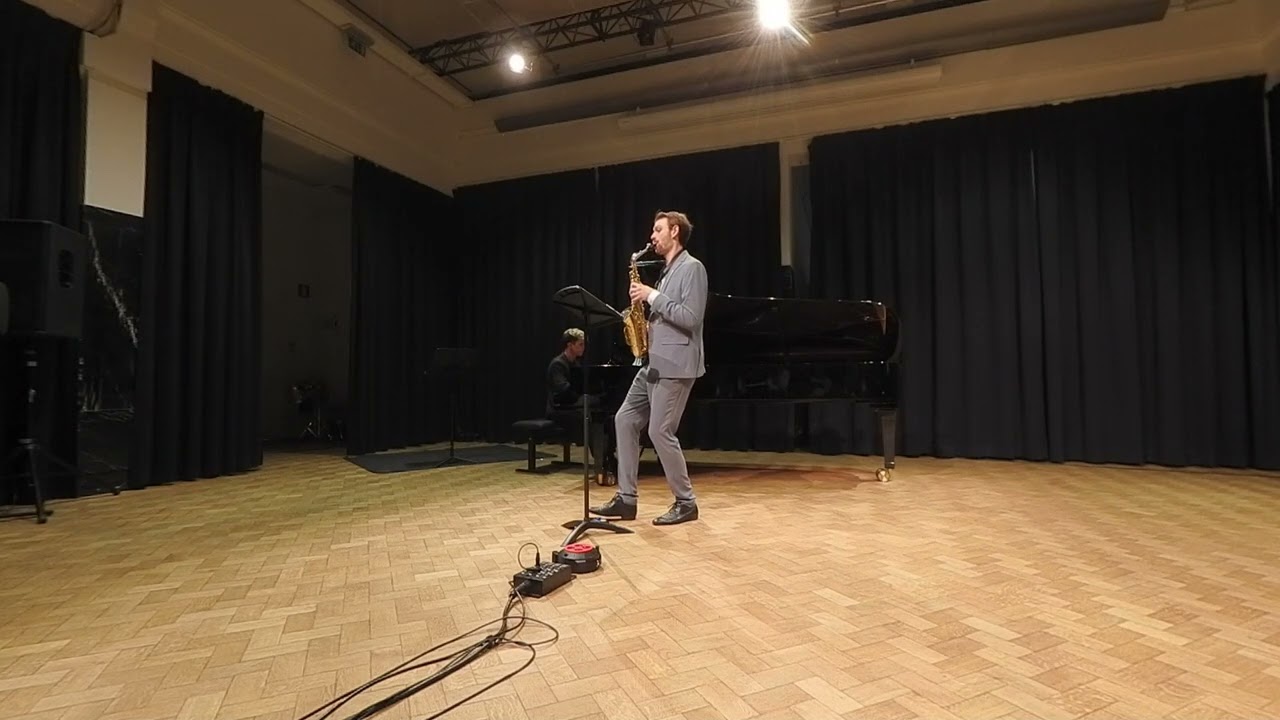

Vidéo de Bastien

Contacter Bastien

Le premier cours est couvert par notre Garantie Le-Bon-Prof
Cours Similaires
Garantie Le-Bon-Prof


Contacter Bastien