facebook
favorite button
super instructor icon
Professeur fiable
Ce professeur a un délai et un taux de réponse très élevé, démontrant un service de qualité et sa fidélité envers ses élèves.
member since icon
Depuis septembre 2022
Professeur depuis septembre 2022
Snel en leuk Engels leren? Ik leer je graag snel en goed Engels spreken, lezen en schrijven
course price icon
Àpd 255.16 CNY /h
arrow icon
Sind Juli 2022 ben ik in Nederland komen wonen. Ik heb tien jaar ervaring als leraar, en runde mijn eigen opleidingsinstituut. In die jaren hebben we succesvol honderden kinderen en volwassenen Engels geleerd. Van beginnersniveau to professionals.

Ik neem de lessen serieus, en verwacht hetzelfde van mijn studenten. Maar leren doe je het beste als het ook leuk is. Dus gebruik ik veel luistervoorbeelden en spelletjes, en probeer ik je zo snel comfort te geven met het spreken van de Engelse taal.

Lessen kunnen online worden gegeven, of live in de omgeving van Culemborg. Tijden zijn flexibel in te delen.
Lieu
green drop pin icongreen drop pin icon
|
Utilisez Ctrl + molette pour zoomer !
zoom in iconzoom out icon
location type icon
Cours au domicile de l'élève :
  • Autour de Culembourg, Pays-Bas
  • Autour de Culembourg, Pays-Bas
location type icon
En ligne depuis Pays-Bas
Présentation
I am an ambitious young mother of a daughter of 8 years old. We have recently moved to the Netherlands, to move in with my Dutch partner. I have always been eager to learn, and proven to work hard. Im self-learning, I can work independently, but also love to interact with colleagues. In my work I see I have the skills to teach. Im patient, persistant, and would love to make myself useful for students that love to develop themselves.
Education
As a young student, I was selected for my skills and won several medals (Golden medal for best overall marks). After that I continued studying at the University, graduated International Relationships.
Expérience / Qualifications
After graduation, I lived for 4 years in China where I learned the Chinese language (graduated). I started teaching English, and decided to start my own language school which I successfully run for 5 years before moving to Holland.
Age
Enfants (7-12 ans)
Adolescents (13-17 ans)
Adultes (18-64 ans)
Seniors (65+ ans)
Niveau du Cours
Débutant
Intermédiaire
Avancé
Durée
60 minutes
Enseigné en
néerlandais
anglais
Compétences
Anglais comme deuxième langue (esl)
Anglais pour adultes
Scolaire
Commentaires
Disponibilité semaine type
(GMT -05:00)
New York
at teacher icon
Cours par webcam
at home icon
Cours à domicile
Mon
Tue
Wed
Thu
Fri
Sat
Sun
00-04
04-08
08-12
12-16
16-20
20-24
Cours Similaires
arrow icon previousarrow icon next
verified badge
Lorraine
So far, I have been carrying out 3 different types of lessons:

(a) just conversation:
Here, the student prepares 5-6 different topics for the lesson, and prepares a document with the topics and short paragraph about each topic. This way, the student can start looking at the vocabulary for the topic before the lesson. Usually, the student sends this document by email 24 hours before the planned lesson. When we start the lesson, the first few minutes are just a few questions, small talk about the last few days and what is going on at the moment. Then, we move to the topics. Each topic takes approximately 10 minutes (more or less, depending on the content). For each topic, the student first introduces the topic and what they know about it so far, then we discuss the issue, I ask some content questions or questions about your views on this subject, etc. These discussions are very helpful for conversation, sentence fluency, and vocabulary development.
When the student makes a mistake in grammar, sentence, or word choice, I correct them and help them understand their mistakes. Usually, each student has a little notebook where they note down their mistakes or new words and phrases that they have learnt. During the following lesson, I may ask a few questions about the topics from the previous lesson, in order to refresh the student's memory regarding their previous mistakes and new vocabulary.

(b) conversation and description:
This is the same as the conversation type (a) above, but there are only 3 topics and it lasts approximately 35-40 minutes. The second half of the lesson is prepared by me. I send a document with 3-5 pictures. The student describes what they see, using position vocabulary, descriptive words, and tried to interpret what is going on in the picture. This is also very good for language development and verbal fluency. After the student finished describing as well as they can, I will describe in a little bit more depth, to make sure that all new words and phrases are mentioned. During following lesson, the first 10 minutes of the second part of the lesson (for picture description) are for a short reviewing of last lesson's pictures, refreshing memory and making sure all words are understood and well-used.

(c) conversation and writing:
This is the same as the conversation type (a) above, but the last 15 minutes are focused on writing skills. Usually, we look at different writing styles such as formal versus casual, a typical formal email, a typical friendly email, how to ask for help, etc.

Of course, lesson types can changes as often as you want! Some of my students had the first lessons in style (c), and then we switched to one in style (a) and one in style (b).

I am also very flexible in terms of what you want to do and what you prefer as a student!
I hope this information helps you for you decision and if you have more questions, please do not hesitate!
Video thumbnail
Play icon
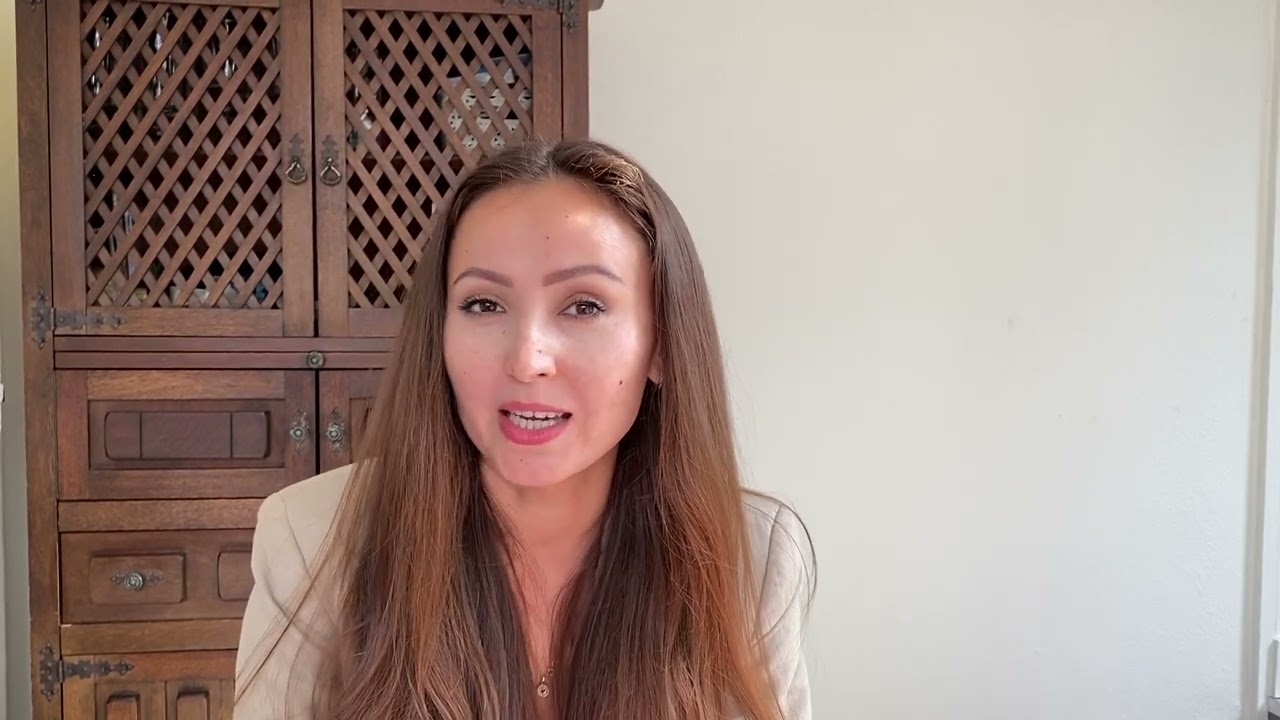
Vidéo de Gulnaz
message icon
Contacter Gulnaz
repeat students icon
Le premier cours est couvert par notre Garantie Le-Bon-Prof
Cours Similaires
arrow icon previousarrow icon next
verified badge
Lorraine
So far, I have been carrying out 3 different types of lessons:

(a) just conversation:
Here, the student prepares 5-6 different topics for the lesson, and prepares a document with the topics and short paragraph about each topic. This way, the student can start looking at the vocabulary for the topic before the lesson. Usually, the student sends this document by email 24 hours before the planned lesson. When we start the lesson, the first few minutes are just a few questions, small talk about the last few days and what is going on at the moment. Then, we move to the topics. Each topic takes approximately 10 minutes (more or less, depending on the content). For each topic, the student first introduces the topic and what they know about it so far, then we discuss the issue, I ask some content questions or questions about your views on this subject, etc. These discussions are very helpful for conversation, sentence fluency, and vocabulary development.
When the student makes a mistake in grammar, sentence, or word choice, I correct them and help them understand their mistakes. Usually, each student has a little notebook where they note down their mistakes or new words and phrases that they have learnt. During the following lesson, I may ask a few questions about the topics from the previous lesson, in order to refresh the student's memory regarding their previous mistakes and new vocabulary.

(b) conversation and description:
This is the same as the conversation type (a) above, but there are only 3 topics and it lasts approximately 35-40 minutes. The second half of the lesson is prepared by me. I send a document with 3-5 pictures. The student describes what they see, using position vocabulary, descriptive words, and tried to interpret what is going on in the picture. This is also very good for language development and verbal fluency. After the student finished describing as well as they can, I will describe in a little bit more depth, to make sure that all new words and phrases are mentioned. During following lesson, the first 10 minutes of the second part of the lesson (for picture description) are for a short reviewing of last lesson's pictures, refreshing memory and making sure all words are understood and well-used.

(c) conversation and writing:
This is the same as the conversation type (a) above, but the last 15 minutes are focused on writing skills. Usually, we look at different writing styles such as formal versus casual, a typical formal email, a typical friendly email, how to ask for help, etc.

Of course, lesson types can changes as often as you want! Some of my students had the first lessons in style (c), and then we switched to one in style (a) and one in style (b).

I am also very flexible in terms of what you want to do and what you prefer as a student!
I hope this information helps you for you decision and if you have more questions, please do not hesitate!
Garantie Le-Bon-Prof
favorite button
message icon
Contacter Gulnaz