facebook
favorite button
1/25
member since icon
منذ أكتوبر 2022
أستاذ منذ أكتوبر 2022
Improvisation techniques, articulation rules and tone developments
course price icon
من 75.01 QAR
arrow icon
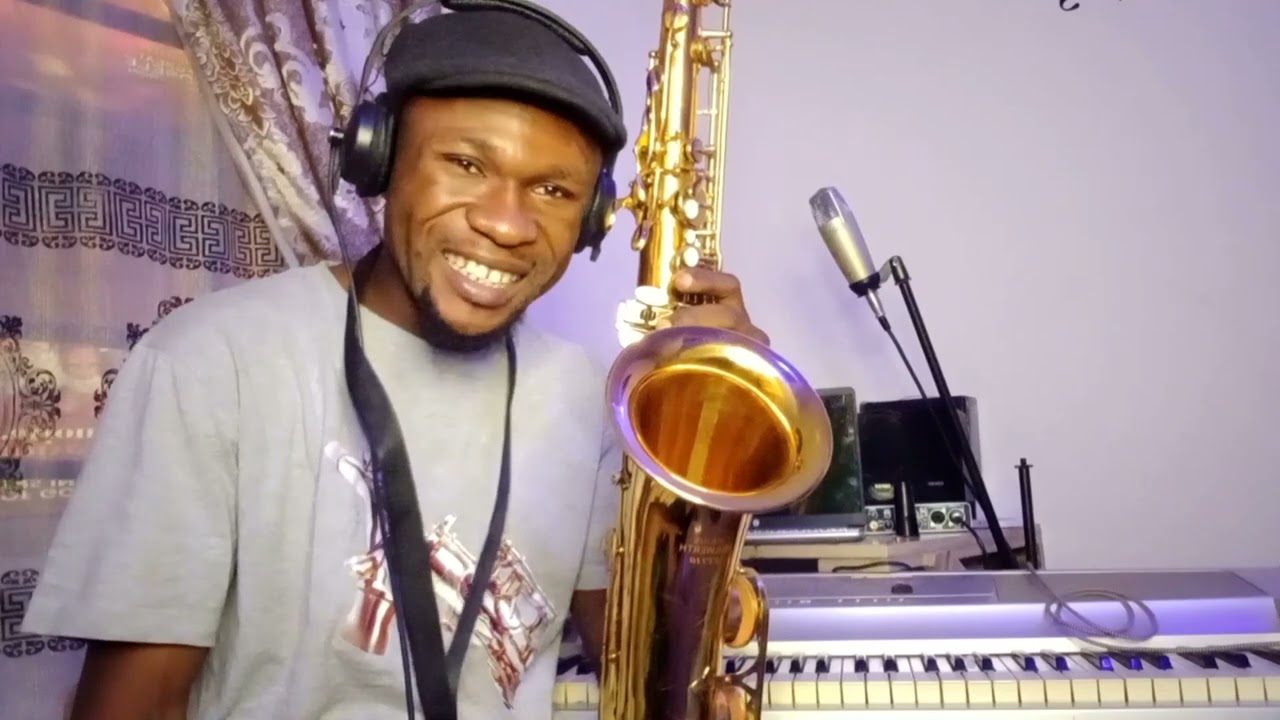
As a saxophone 🎷player, you'll need to know all the fundamentals, music basic terms, saxophone techniques like, LSV techniques, articulation rules and tone developments, advance improvisation techniques, scale syllabus exposition and applications, etc
معلومات إضافية
Laptop and phone
المكان
location type icon
عبر الانترنت من نيجيريا
من أنا؟
Hey, I'm a professional saxophone player, experienced tutor/instructor, Jazz composer and writter who has trained many professional saxophone players around the globe 🌎
المستوى التعليمي
University of Nigeria NSUKA, Music Major Degree 2nd class upper. Certified Diploma in Music at Mosax Newworld Empire Abuja, Nigeria. Holy Flock of Christ Agbomimo
الخبرة / المؤهلات
I've been training for the past 15years, well experienced online teacher with detail analysis on vital informations regarding saxophone.
السن
أطفال (4-6 سنوات)
الأطفال (7-12 سنة)
شباب (13-17 سنة)
الكبار (18-64 سنة)
الكبار (65 سنة فأكثر)
مستوى الطالب
مبتدئ
متوسط
متقدم
المدة
60 دقيقة
الدرس يدور باللغة
الإنجليزية
الجاهزية في الأسبوع العادي
(GMT -05:00)
نيويورك
at teacher icon
على الانترنت عبر كاميرا ويب
Mon
Tue
Wed
Thu
Fri
Sat
Sun
00-04
04-08
08-12
12-16
16-20
20-24
Saxophone is an instrument that can best convey an emotional expression and as such every one need to learn it very well, acquire the right teachings from an experience tutor as that will enable you to give out the best to your audience. The act of improvisation and soloing, (chordal improvisation, scaler improvisation, The three Cs in improvisation, modes application on songs,i.e Dorian,
Phrygian, Lydian, Myxolydian, Locrian and applications, LSV techniques, Articulation, groupings patterns and intervals analysis, tonality and embouchure, chromaticism exercise, understanding passing notes with it's rules and many other relevant techniques
إقرأ المزيد
فصول مماثلة
arrow icon previousarrow icon next
verified badge
Mohamed
I am an oud teacher who teaches oud to beginners in terms of reading musical notes.
Intensive training is required to raise the level in an academic manner, as well as teaching solfege until you reach the required level.
Within a short period, the most important thing is that you have the oud. If it is not available, I can recommend a professional oud maker to you.

If you're just starting to learn the oud and want to get to know the basics, it's not difficult and we'll help you enjoy playing and build your skills step by step.

First of all, what is an oud?

The oud is an ancient stringed instrument used in oriental music. It has a distinctive shape and a deep sound. It consists of a large wooden body and a short neck with strings.

Ok, how do we start?

1. Oud grip:

The first thing you need to learn is how to hold the oud correctly, so that you are comfortable and your hand can move easily over the strings.
2. Strings:
The oud has five or six strings, and each string has a specific note. First, we'll learn how to tune the oud (adjust the strings so the notes sound correctly).

3. Basics of playing:

Next, we will learn how to move the pick (the instrument you pluck the strings with) and how to play simple notes on the strings.

4. Musical note:

We'll start by learning how to read musical notation in a simple way, so you can play short pieces. The topic will begin with easy notes, and then we'll progress step by step.


5. Practical application:

Over time, we will start practicing famous oriental pieces such as “taqasim” or simple things from the Arab musical heritage.

In this course, everything will be taught step by step so that you will understand the basics and be comfortable playing.

For details, contact us via page messages.
verified badge
Mayssa
I offer comprehensive and specialized lessons in Arabic and Oriental music, designed to help students build a strong musical foundation that combines theoretical understanding with practical performance. The course follows a clear, progressive methodology, adapted to each student’s level, background, and personal goals.

Course Content:

🎵 Oud

Introduction to the instrument, posture, and plectrum (risha) technique

Study of fundamental and advanced Arabic maqamat

Understanding maqam pathways and modulations

Free and rhythmic improvisation (taqasim)

Performing traditional pieces and selected Arabic songs

Developing authentic Oriental musical expression


🎹 Keyboard

Applying Arabic maqamat on the keyboard

Finger technique and hand coordination

Accompanying vocals in an Oriental style

Distinguishing between Western and Arabic scales

Practical use of Arabic rhythms and modes


🎼 Solfeggio & Sight Reading

Step-by-step music reading skills

Ear training and melodic recognition

Rhythmic and melodic exercises

Improving intonation and avoiding off-pitch singing or playing

Connecting hearing, voice, and instrument


📚 Music Theory

Structure and theory of Arabic maqamat

Oriental rhythms and rhythmic cycles (iqaat)

Melodic phrasing and musical form

Musical analysis of Arabic repertoire

Fundamentals of composition and melodic development


Teaching Approach:

Progressive and structured learning path

Clear explanations supported by practical examples

Application through well-known Arabic songs

Personalized exercises for each student

Continuous guidance and performance evaluation


Who Is This Course For?

Absolute beginners with no musical background

Students seeking a solid academic foundation

Hobbyists aiming to improve their skills

Musicians wishing to deepen their understanding of Arabic music
Video thumbnail
Play icon
فيديو Asuku
message icon
اتصل بAsuku
repeat students icon
الدرس الأول مضمون
بواسطة
ضمان المدرس المناسب
فصول مماثلة
arrow icon previousarrow icon next
verified badge
Mohamed
I am an oud teacher who teaches oud to beginners in terms of reading musical notes.
Intensive training is required to raise the level in an academic manner, as well as teaching solfege until you reach the required level.
Within a short period, the most important thing is that you have the oud. If it is not available, I can recommend a professional oud maker to you.

If you're just starting to learn the oud and want to get to know the basics, it's not difficult and we'll help you enjoy playing and build your skills step by step.

First of all, what is an oud?

The oud is an ancient stringed instrument used in oriental music. It has a distinctive shape and a deep sound. It consists of a large wooden body and a short neck with strings.

Ok, how do we start?

1. Oud grip:

The first thing you need to learn is how to hold the oud correctly, so that you are comfortable and your hand can move easily over the strings.
2. Strings:
The oud has five or six strings, and each string has a specific note. First, we'll learn how to tune the oud (adjust the strings so the notes sound correctly).

3. Basics of playing:

Next, we will learn how to move the pick (the instrument you pluck the strings with) and how to play simple notes on the strings.

4. Musical note:

We'll start by learning how to read musical notation in a simple way, so you can play short pieces. The topic will begin with easy notes, and then we'll progress step by step.


5. Practical application:

Over time, we will start practicing famous oriental pieces such as “taqasim” or simple things from the Arab musical heritage.

In this course, everything will be taught step by step so that you will understand the basics and be comfortable playing.

For details, contact us via page messages.
verified badge
Mayssa
I offer comprehensive and specialized lessons in Arabic and Oriental music, designed to help students build a strong musical foundation that combines theoretical understanding with practical performance. The course follows a clear, progressive methodology, adapted to each student’s level, background, and personal goals.

Course Content:

🎵 Oud

Introduction to the instrument, posture, and plectrum (risha) technique

Study of fundamental and advanced Arabic maqamat

Understanding maqam pathways and modulations

Free and rhythmic improvisation (taqasim)

Performing traditional pieces and selected Arabic songs

Developing authentic Oriental musical expression


🎹 Keyboard

Applying Arabic maqamat on the keyboard

Finger technique and hand coordination

Accompanying vocals in an Oriental style

Distinguishing between Western and Arabic scales

Practical use of Arabic rhythms and modes


🎼 Solfeggio & Sight Reading

Step-by-step music reading skills

Ear training and melodic recognition

Rhythmic and melodic exercises

Improving intonation and avoiding off-pitch singing or playing

Connecting hearing, voice, and instrument


📚 Music Theory

Structure and theory of Arabic maqamat

Oriental rhythms and rhythmic cycles (iqaat)

Melodic phrasing and musical form

Musical analysis of Arabic repertoire

Fundamentals of composition and melodic development


Teaching Approach:

Progressive and structured learning path

Clear explanations supported by practical examples

Application through well-known Arabic songs

Personalized exercises for each student

Continuous guidance and performance evaluation


Who Is This Course For?

Absolute beginners with no musical background

Students seeking a solid academic foundation

Hobbyists aiming to improve their skills

Musicians wishing to deepen their understanding of Arabic music
ضمان المدرس المناسب
favorite button
message icon
اتصل بAsuku